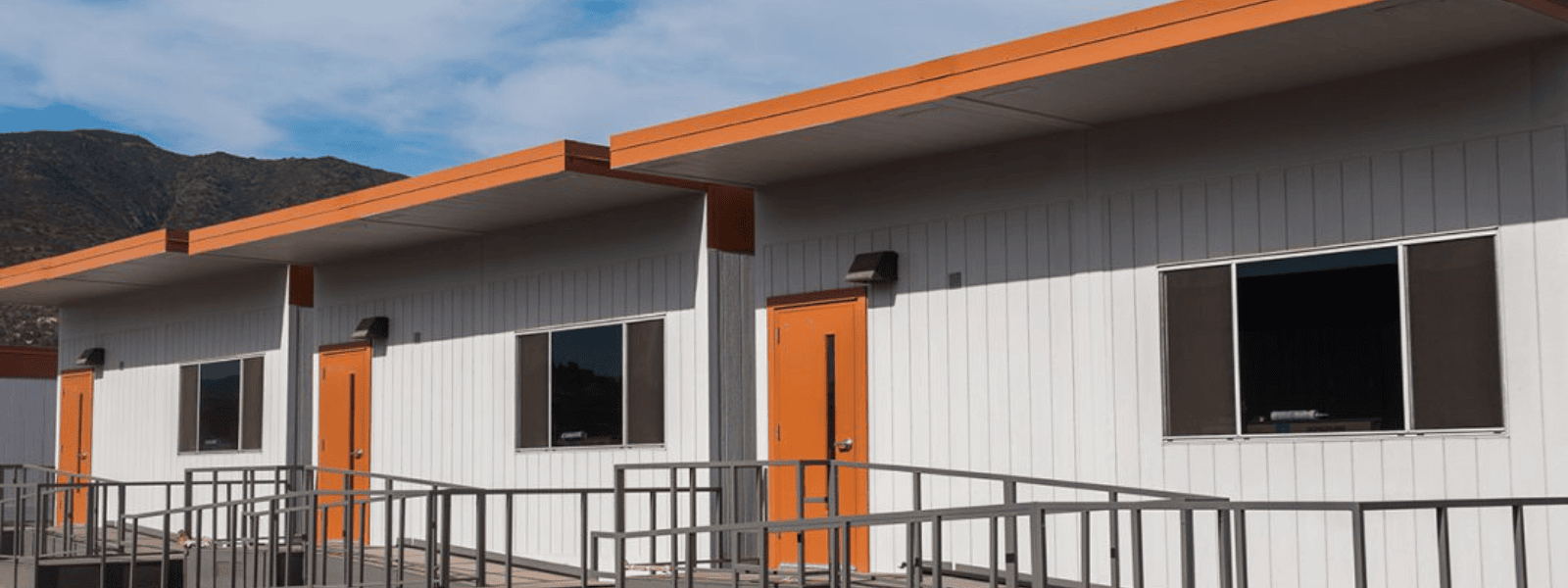

Monthly rental and lease pricing for a modular building depends on five things: size, condition, how far it has to travel, how long you need it, and what your site needs done before it arrives. There’s no single national rate card for this — but knowing what actually drives the price lets you compare quotes apples-to-apples instead of just picking the lowest number on the page.
What actually drives your monthly price
- Size and configuration — a single-wide office costs less per month than a multi-room complex with restrooms and a break room built in.
- Condition and age — a recently refurbished used building generally rents for less than a newer one, though a heavily-used older unit can cost more to maintain over a long term.
- Delivery distance — how far the building has to travel from the supplier’s yard to your site affects both the delivery quote and, in some cases, the monthly rate.
- Lease term length — shorter terms typically cost more per month than a longer commitment, since the supplier has less time to recover the building’s value.
- Site readiness — whether utilities, a foundation pad, and ADA access are already in place, or need to be added, changes the total project cost even when the rental line item looks the same.
What’s included in the quote — and what isn’t
A rental quote that only lists the monthly rate is an incomplete quote. Before you compare suppliers, get a number for each of these:
- Monthly rental price, plus any applicable tax or license fee
- Delivery and installation/set-up to your site
- Teardown and return freight at the end of the term
- An ADA ramp or steps for access, if your site needs one — this is often quoted separately
Also ask about cleaning, insurance, and maintenance during the term — these are the fees most often left off an initial quote, and they change the real monthly number you’re comparing.
Typical lease terms
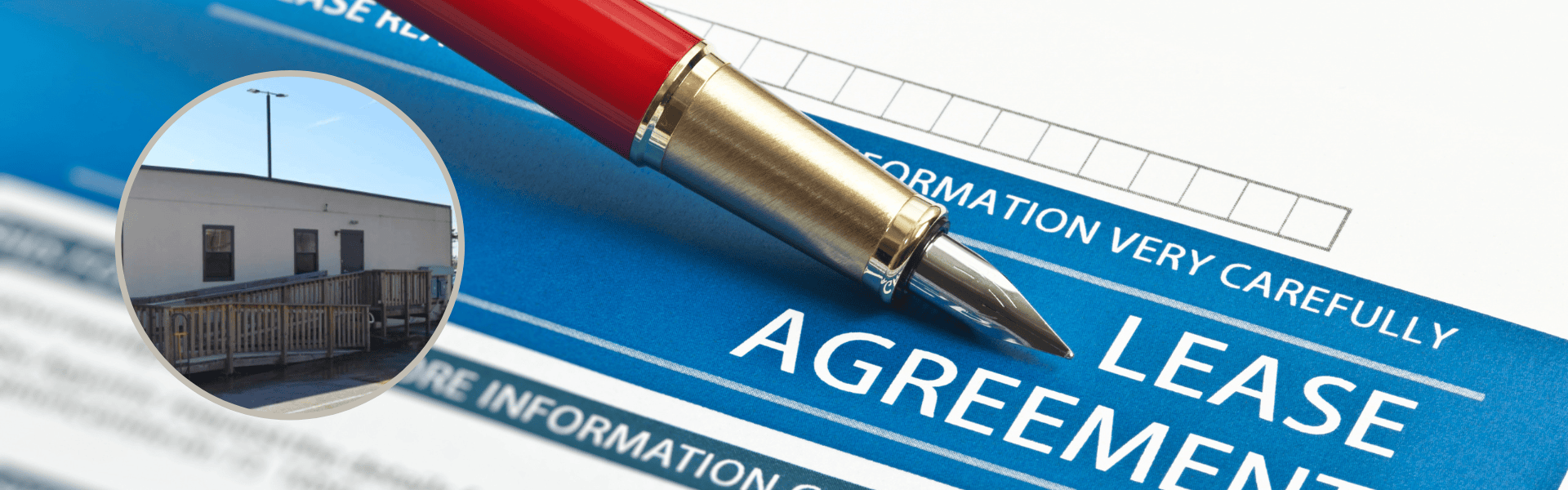
Operating leases on modular buildings typically run 12 to 60 months. At the end of the term you can usually renew, return the building, or in some cases apply what you’ve paid toward a purchase — but that depends on your specific agreement, so confirm it before you sign.
Renting vs. owning the building
An operating lease is the right call for a genuinely temporary need — construction offices, enrollment spikes, disaster recovery — where you want maximum flexibility and no long-term commitment. If you know you’ll need the space for years, buying (either a used building outright or a new one built to your spec) or a lease-purchase arrangement usually costs less over the life of the project, since every payment builds toward something you keep. See our full breakdown of payment options for a side-by-side comparison of all four paths.
Get an accurate number for your project
Rates shift with market conditions and what’s currently sitting in inventory, so we don’t publish a blanket price list — but we can usually give you a real number the same day. Call us at (800) 806-7485 or get pricing online for your state.
How long can I rent a modular building?
Most operating leases run 12 to 60 months, though shorter and longer terms are available depending on the supplier and what’s in stock. Shorter terms generally carry a higher monthly rate.
Does my rental payment ever go toward owning the building?
Not with a standard operating lease — that’s a straight rental. If you want your payments to build toward ownership, ask about a lease-purchase structure instead; it’s built for exactly that.
What size ramp or steps will I need?
It depends on the building’s floor height and your site’s ADA requirements. Tell us your building size and site conditions when you call and we’ll spec the right access solution as part of your quote.
iModular.com — modular building specialists serving projects nationwide since 1998. Last updated: September 9, 2026.